
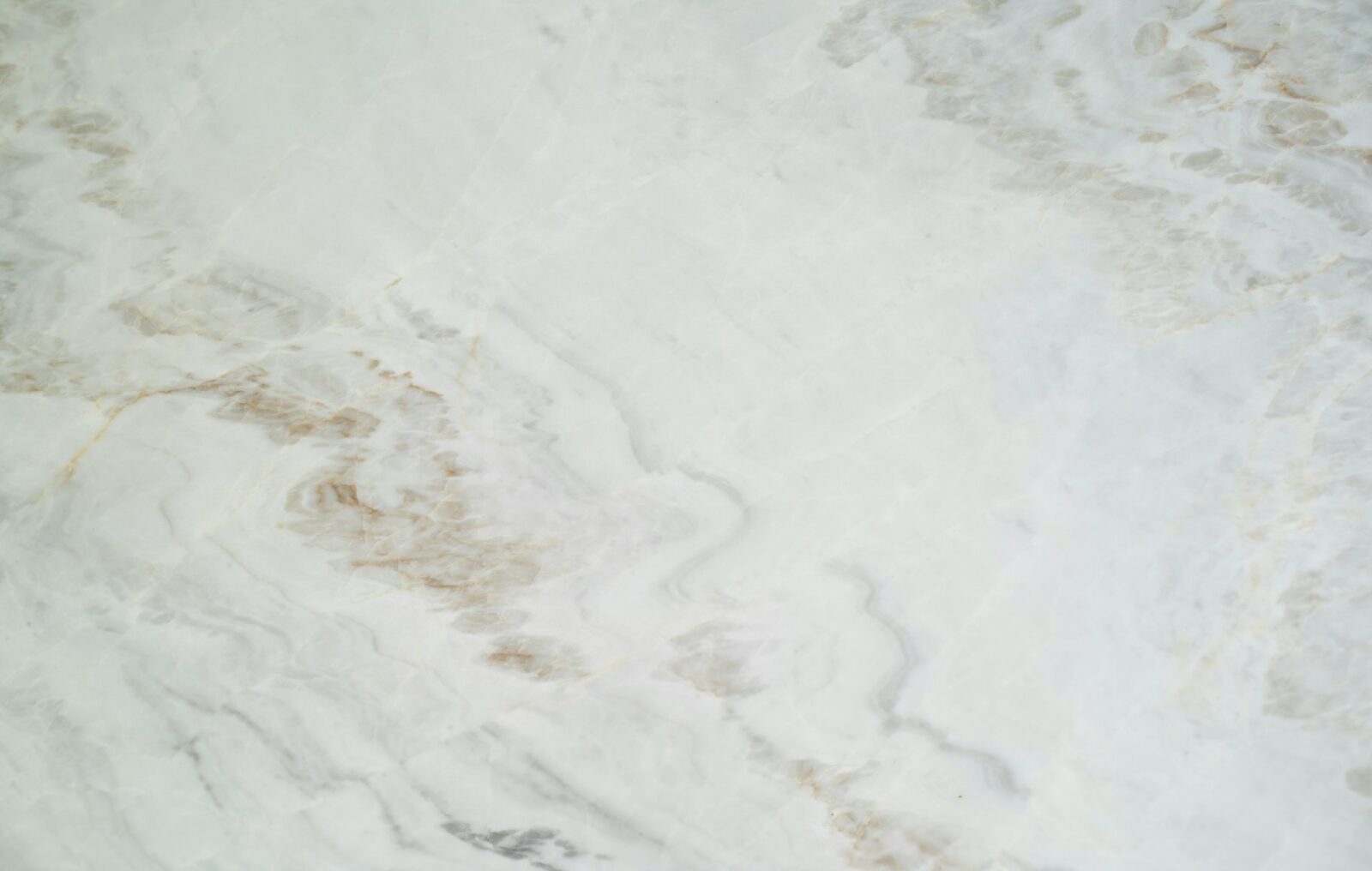
Stone has always represented permanence.
It suggests strength, precision, and timelessness. In architecture, it can survive centuries. Inside a luxury residence, it often becomes the material that defines the entire room.
A yacht is different.
At sea, stone is asked to perform in an environment it was never naturally meant to inhabit. Every voyage introduces movement. Temperature changes. Humidity. Salt carried through open doors. Constant vibration. Even the simple act of opening and closing cabinetry places repeated stress on surrounding materials.
This is why yacht stonework is never simply about choosing a beautiful slab.
It is about understanding how beauty behaves under motion.
Marble, quartzite, and onyx can all create extraordinary interiors. Yet each responds differently to life on board. Some reward careful selection. Others demand careful engineering. The material itself is only part of the equation.
The way it is supported, finished, detailed, illuminated, and maintained ultimately determines whether stone becomes a lasting architectural feature or an expensive future problem.
At sea, stone stops being decoration.
It becomes engineering wrapped in beauty.
Why Stone Changes Everything Inside a Yacht
Few materials influence the atmosphere of an interior as dramatically as natural stone.
Wood creates warmth.
Leather creates comfort.
Metal introduces precision.
Stone creates permanence.
A single marble vanity, a quartzite dining table, or an onyx feature wall immediately changes how a space is perceived. The room feels quieter. More substantial. More intentional.
That visual weight is exactly why stone has become one of the defining materials in contemporary yacht interior design.
Yet visual weight cannot become physical weight.
Unlike a residence, every material installed aboard contributes to displacement, balance, fuel efficiency, and long-term performance. Designers therefore evaluate stone differently than they would inside a house.
The first question is rarely:
“Which stone looks the most beautiful?”
Instead it becomes:
“Which stone belongs here?”
That distinction separates decoration from yacht design.
Yacht Stonework Is About Systems, Not Slabs
Many people imagine a yacht interior using massive blocks of marble throughout the cabins.
Modern yacht construction rarely works that way.
Instead, designers and builders frequently use engineered stone assemblies or lightweight backing systems that preserve the appearance of solid natural stone while significantly reducing overall weight.
The visual experience remains.
The engineering changes completely.
This illustrates one of the most important principles of yacht stonework:
Stone should never be judged in isolation.
Every successful installation depends on an entire system working together.
The natural stone.
The substrate.
The structural support.
The adhesive.
The edge detailing.
The surrounding joinery.
The lighting.
Even the strongest natural stone can disappoint when installed poorly.
Likewise, a relatively modest piece of stone can appear exceptional when every surrounding detail has been carefully resolved.
Luxury begins long before the stone itself.
Marble: Quiet Luxury and Natural Character

Light reveals what polish alone never can—the quiet depth of natural stone.
Few materials carry the cultural weight of marble.
For centuries it has represented craftsmanship, architecture, and permanence. Even today, marble remains one of the most recognizable luxury yacht interior materials.
Its appeal comes from something impossible to manufacture perfectly.
Variation.
Every slab contains subtle differences in veining, movement, color, and depth. Those natural irregularities prevent marble from feeling repetitive.
No two surfaces are ever completely identical.
This uniqueness explains why marble often feels more personal than manufactured alternatives.
However, marble also requires realistic expectations.
Compared with harder natural stones, marble is generally more susceptible to etching, scratching, and staining from acidic substances. That does not make it unsuitable for yachts.
It simply means placement matters.
A decorative wall panel experiences a very different life than a galley worktop or frequently used bathroom vanity.
Good yacht stonework begins by matching the material to the function.
Not forcing the material into every function.
Quartzite: Strength Without Losing Natural Beauty
Quartzite has become increasingly popular within high-end yacht interiors because it offers an unusual combination.
Natural appearance.
Exceptional durability.
Unlike engineered quartz, quartzite is a natural metamorphic stone formed under intense heat and pressure. The result is a surface that generally resists scratching and heat more effectively than many other decorative stones while still retaining the visual complexity of natural material.
For yacht designers, this balance is valuable.
Quartzite often performs well in areas exposed to heavier daily use without sacrificing architectural elegance.
It can provide dramatic movement similar to marble while offering greater confidence in demanding environments.
That does not mean quartzite is maintenance-free.
Every natural stone benefits from thoughtful sealing, regular care, and appropriate cleaning products.
Luxury materials reward consistency more than occasional restoration.
Onyx: Light Before Strength
Onyx occupies an entirely different category.
People rarely choose onyx because it is the most practical material.
They choose it because no other stone behaves quite the same way.
Its greatest strength is translucency.
When illuminated correctly, onyx appears to glow from within. Veins become suspended in light rather than merely reflecting it. Entire surfaces transform into architectural lighting features.
This makes onyx one of the most dramatic materials available for yacht interior design.
It also explains why restraint becomes essential.
An illuminated onyx wall can become unforgettable.
Too many illuminated surfaces quickly become theatrical.
Onyx succeeds when it acts as a focal point rather than a background.
Like every luxury material, its impact depends on proportion.
Not abundance.
When Stone Feels Truly Luxurious
Luxury does not begin with rarity.
It begins with judgment.
Stone feels expensive when its presence appears effortless.
The transitions between stone and wood remain precise.
Metal details terminate cleanly.
Edges feel intentional rather than decorative.
Lighting reveals texture without creating glare.
The surrounding materials support the stone instead of competing with it.
This is where yacht craftsmanship becomes inseparable from yacht stonework.
An exceptional slab cannot compensate for poor detailing.
Conversely, excellent detailing often elevates relatively restrained materials into something extraordinary.
Guests rarely describe these decisions individually.
They simply describe the yacht as feeling calm.
Resolved.
Complete.
That feeling is never accidental.
When Yacht Stonework Fails
Most failures in yacht stonework do not begin with the stone itself.
They begin with decisions surrounding it.
A spectacular slab can lose its presence through poor detailing, inconsistent installation, or simply by being placed in the wrong location.
Understanding how stone fails is often more valuable than knowing which stone to buy.
Too Much Stone
Luxury is often confused with quantity.
Large expanses of marble across floors, walls, countertops, and furniture may initially appear impressive. Yet excessive stone quickly changes the emotional balance of an interior.
The room begins to feel heavy.
Cold.
Visually static.
The finest yacht interiors rarely celebrate stone everywhere.
They give it moments.
A beautifully detailed vanity.
A dining table.
A feature wall.
A sculptural staircase.
Stone feels most luxurious when the eye is allowed to rest before discovering it again.
Poor Material Relationships
Natural stone rarely exists alone.
It almost always meets another material.
Wood.
Leather.
Metal.
Glass.
These transitions determine whether the interior feels architectural or assembled.
A beautiful quartzite surface can immediately lose its elegance if the surrounding timber feels unrelated. A carefully selected marble can appear ordinary when metal trims feel oversized or edge details become visually clumsy.
This is why exceptional yacht stonework is never evaluated independently.
Every junction matters.
Ignoring Light
Stone changes dramatically throughout the day.
Morning light reveals texture.
Afternoon light changes color.
Evening lighting determines atmosphere.
Many disappointing interiors are not the result of poor material selection but poor lighting design.
Highly polished stone positioned beneath harsh downlights often produces glare rather than depth.
Soft indirect lighting, however, allows veining, texture, and natural variation to emerge gradually.
Stone should reveal itself.
It should never demand attention.
Forgetting Movement
Unlike buildings, yachts never stop moving.
That movement is subtle.
Almost invisible.
Yet it exists every day.
Materials expand and contract.
Cabinetry experiences repeated loads.
Structural movement is measured in millimetres rather than centimetres, but those small movements still influence detailing over years of service.
For designers, this reinforces an important lesson:
Stone should always be considered as part of a flexible construction system rather than an isolated decorative object.
The strongest yacht interiors respect movement instead of pretending it does not exist.
Marble, Quartzite, or Onyx: Which Should You Choose?
There is no universal answer.
Every stone excels under different conditions.
Marble remains unmatched when softness, heritage, and natural elegance are the priority.
Quartzite often becomes the practical choice where durability and daily performance matter alongside visual richness.
Onyx offers something entirely different.
It transforms light into architecture.
Rather than asking which stone is best, experienced designers ask which stone belongs in a particular space.
The answer changes depending on:
- natural light
- room size
- surrounding materials
- intended use
- maintenance expectations
- desired atmosphere
Good yacht design begins with context.
Not preference.
The Yachtluéur Stone Test
When evaluating yacht stonework, ask six simple questions.
Does the stone belong to the room?
Or is it trying to dominate it?
Does the lighting reveal the material naturally?
Or does it create glare?
Do the material transitions feel precise?
Stone should appear integrated rather than attached.
Will the surface age gracefully?
Luxury should improve with time rather than depend on perfection.
Is the stone being used where it performs best?
Beautiful materials deserve appropriate roles.
Would this still feel relevant ten years from now?
Timelessness is always a stronger investment than novelty.
These questions reveal more than colour samples or showroom displays ever can.
Why Stone Still Matters
Some designers argue that natural stone is becoming less important as engineered materials continue improving.
Technically, many alternatives perform exceptionally well.
But performance alone has never defined luxury.
Natural stone carries imperfections.
Mineral variation.
Veins that cannot be repeated.
Subtle differences created over millions of years.
Those characteristics introduce something increasingly rare in modern interiors.
Individuality.
Every slab becomes part of the yacht’s identity.
Not because it is expensive.
Because it cannot be perfectly copied.
Closing
Stone has survived centuries because it rewards patience.
On a yacht, that patience begins long before installation.
It begins with choosing the right material for the right place, understanding how it behaves under light, movement, and time, and allowing craftsmanship to shape every transition around it.
Marble can become timeless.
Quartzite can become quietly dependable.
Onyx can transform an interior through light alone.
The material itself is only the beginning.
In the end, exceptional yacht stonework is never remembered simply because the stone was rare.
It is remembered because every decision surrounding it made the material feel inevitable.
Beyond Stone
Natural stone is only one part of a yacht’s material language. Wood shapes warmth, atmosphere, and how an interior ages over time just as profoundly. To understand why teak, oak, and walnut can feel timeless—or quietly lose their authority—read: Yacht Wood Finishes: Teak, Oak, Walnut — When Wood Feels Expensive and When It Fails.
read next
Why Some Yacht Interiors Age Better Than Others
Timeless vs Trendy Yacht Design: What Actually Ages Well