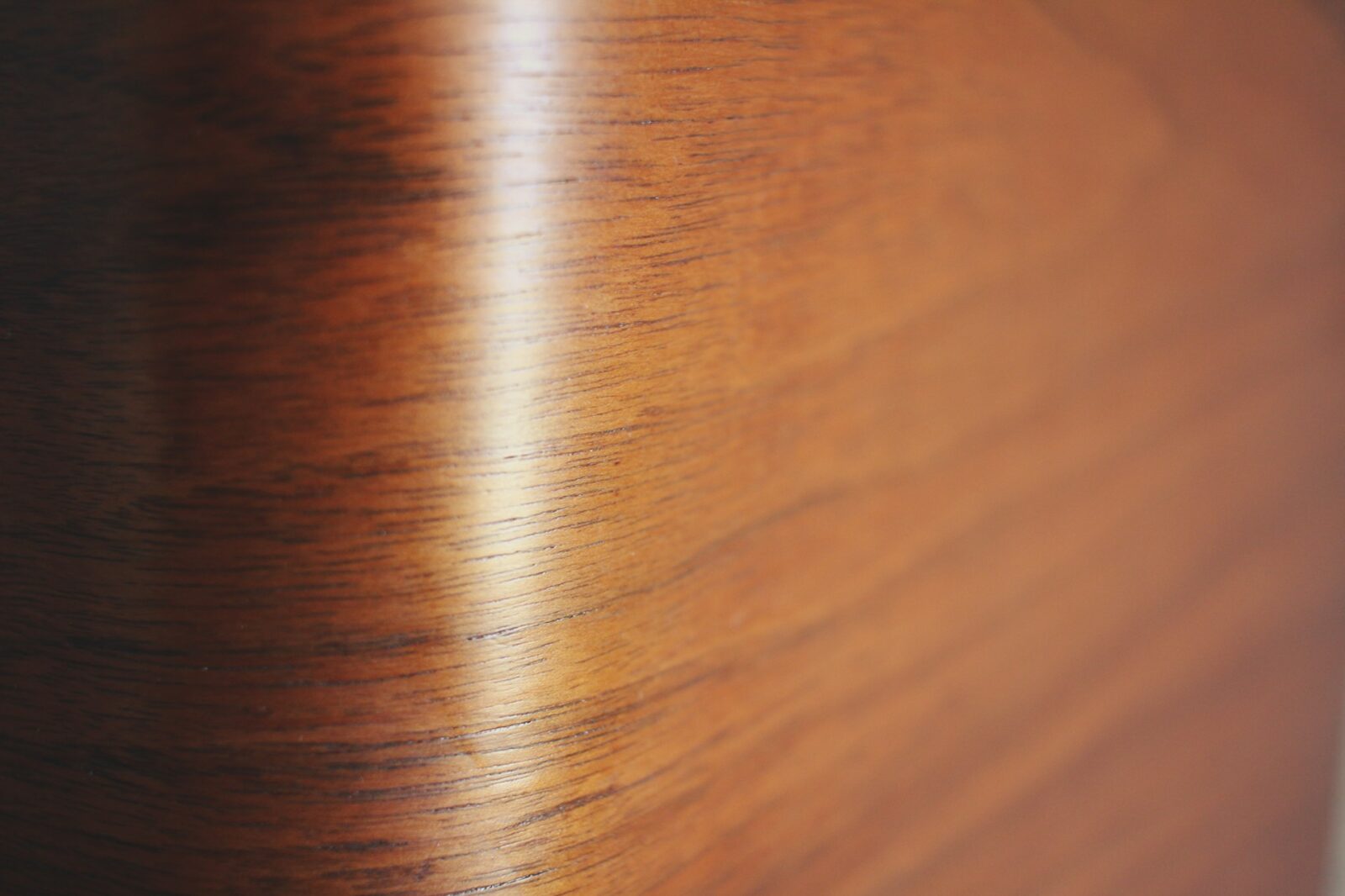
Most people notice wood before they understand it.
They step into a yacht interior and immediately register warmth, depth, texture, and atmosphere. The wood may not be the first detail they consciously see, yet it often becomes the material they remember.
That is because wood shapes the emotional temperature of a space.
It influences how light behaves. It influences how large or intimate a room feels. It influences whether an interior feels calm, timeless, heavy, contemporary, traditional, or quietly luxurious.
This is why yacht wood finishes deserve far more attention than they usually receive.
Many conversations focus on species. Teak. Oak. Walnut.
Yet the reality is more complicated.
All three can feel extraordinary.
All three can fail.
The difference is rarely the name of the wood itself. More often, it comes down to selection, finishing, veneer matching, lighting, craftsmanship, and how the material ages over time.
At sea, wood is never just decoration.
It becomes atmosphere.
Why Yacht Wood Finishes Matter So Much
Among all yacht interior materials, wood has a unique responsibility.
Stone creates contrast.
Leather creates comfort.
Metal creates precision.
Wood creates identity.
A guest may not remember the exact marble used in a saloon. They may not remember the hardware finish on a cabinet. But they often remember the feeling of the wood surrounding them throughout the yacht.
This is one reason yacht wood finishes play such a significant role in luxury yacht interiors.
Wood covers large surfaces.
Walls.
Cabinetry.
Doors.
Bulkheads.
Storage systems.
Because it occupies so much visual space, every decision surrounding yacht interior wood has consequences.
A successful wood finish creates harmony.
A poor one becomes impossible to ignore.
A yacht interior can survive many design decisions, but bad wood rarely disappears.
The Real Difference Is Not Only Teak, Oak, or Walnut
When discussing yacht wood finishes, many people immediately ask which species is best.
The better question is:
How is the wood being used?
The species creates the possibility.
The finish determines the feeling.
Two yachts may use identical walnut veneers yet produce entirely different results.
One feels calm and sophisticated.
The other feels dark and oppressive.
The reason often lies in factors such as:
- veneer selection
- grain direction
- finish sheen
- joinery quality
- lighting design
- material transitions
- color temperature
This is why experienced designers rarely judge wood by species alone.
They judge the entire system.
Teak Yacht Interior: Heritage, Warmth, and the Risk of Heaviness
Teak remains one of the most recognizable materials in yachting.
Its association with the sea is centuries old.
Durable.
Stable.
Weather-resistant.
Naturally suited to marine environments.
For this reason, a teak yacht interior often carries a sense of authenticity and maritime heritage.
Teak brings warmth into a space. It creates richness without requiring excessive ornamentation. It feels grounded.
Yet teak can also become one of the easiest materials to misuse.
The problem is not teak itself.
The problem is excess.
When teak becomes too orange, too glossy, or too dominant, interiors begin to feel dated. What once communicated craftsmanship can start communicating nostalgia.
The strongest contemporary applications of teak use restraint.
The material remains visible.
Its influence remains powerful.
But it no longer overwhelms the room.
Oak Yacht Interior: Calm, Light, and Architectural Softness
Oak has become increasingly popular in modern yacht interiors for a simple reason.
It reflects light beautifully.
Compared to darker species, oak introduces softness and visual breathing room. Cabins often feel larger and calmer when lighter oak finishes are used effectively.
An oak yacht interior frequently feels architectural rather than decorative.
That distinction matters.
The best examples create an atmosphere of quiet confidence.
However, oak carries its own risks.
When texture is removed entirely, oak can become flat. When detailing lacks precision, interiors can begin feeling more residential than nautical. Poorly executed oak sometimes loses the sense of permanence expected aboard a luxury yacht.
Oak succeeds when it retains depth.
The goal is softness, not blandness.
Walnut Yacht Interior: Depth, Luxury, and Controlled Shadow
If teak represents heritage and oak represents calm, walnut often represents sophistication.
A walnut yacht interior introduces depth and visual richness.
The darker tone naturally complements leather, stone, bronze, and indirect lighting. Walnut can make a yacht feel exceptionally refined when used thoughtfully.
Yet walnut also demands discipline.
Dark wood absorbs light.
Used excessively, it can reduce visual volume and make cabins feel smaller than they actually are.
This is particularly important aboard yachts, where every perception of space matters.
Many of the most successful walnut interiors rely on contrast.
Soft textiles.
Natural light.
Lighter adjacent materials.
Carefully controlled reflections.
Walnut performs best when treated like a shadow.
A little can create atmosphere.
Too much can dominate the room.
For readers, not audiences.
Yachtluéur letters are released selectively — when observation becomes reference, and reference becomes worth keeping.
Thank you!
You have successfully joined our subscriber list.
When Yacht Wood Feels Expensive
Expensive wood is not always luxurious.
Luxury emerges from execution.
The finest yacht wood finishes share several characteristics.
The grain feels intentional.
The tone feels balanced.
The finish supports the architecture rather than competing with it.
Most importantly, the material appears calm.
Wood feels expensive when veneer matching creates continuity across multiple surfaces.
Wood feels expensive when joinery quality allows grain patterns to flow naturally from one panel to another.
Wood feels expensive when edges are resolved cleanly and transitions between materials feel effortless.
It also feels expensive when lighting works alongside the wood rather than against it.
The viewer may not consciously notice these factors.
But they feel them.
And that feeling is often mistaken for luxury.
When Yacht Wood Fails
Most wood failures do not happen dramatically.
They happen slowly.
This is one reason owners often underestimate the importance of yacht wood maintenance and finish selection.
Common failure modes include:
UV Damage
Sunlight changes wood.
Over time, exposure can fade tones, create uneven coloration, and alter the original character of a yacht interior.
Visible Glue Lines
Poor veneer application often reveals itself through visible glue lines, edge inconsistencies, or panel separation.
These details immediately undermine perceived quality.
Veneer Mismatch
Wood grain should feel coordinated.
When adjacent panels appear unrelated, the result often feels chaotic rather than sophisticated.
Excessive Gloss
High-gloss yacht wood finishes can initially appear luxurious.
Years later, they often become one of the fastest-aging elements in the room.
Movement and Expansion
Wood is a natural material.
It moves.
Changes in humidity and temperature place constant stress on yacht interiors.
Poor detailing frequently reveals itself through cracks, shifting joints, or surface inconsistencies.
Most wood does not fail loudly.
It slowly loses authority.
Veneer Matching: The Hidden Signal of Quality
Among all indicators of yacht woodworking quality, veneer matching remains one of the least discussed.
Yet it is one of the easiest ways to recognize craftsmanship.
Look closely at cabinetry.
Wall panels.
Doors.
Storage systems.
Does the grain continue naturally?
Or does it abruptly change direction?
Exceptional yacht craftsmanship treats grain as a visual language.
Each panel relates to the next.
Each surface contributes to a larger composition.
Expensive timber can still look ordinary when the grain has no discipline.
Gloss, Matte, and Satin: Why Sheen Changes Everything
The finish applied to wood may influence perception as much as the wood itself.
High-gloss finishes create reflection and drama.
They can feel glamorous, particularly in traditional superyacht interiors.
However, they also reveal fingerprints, scratches, and changing trends more quickly.
Matte finishes create calm.
They reduce visual noise.
They often age more gracefully because they allow the material itself to take precedence over reflection.
Satin occupies the middle ground.
Many designers consider it the most versatile option because it balances richness with restraint.
This is why discussions about yacht wood finishes should always include sheen.
The same wood can feel completely different depending on how light interacts with its surface.
The Yachtluéur Wood Test
When evaluating yacht wood finishes, ask:
- Does the wood calm the space or dominate it?
- Does the grain feel consistent?
- Are veneer transitions controlled?
- Does the finish reflect softly?
- Do edges feel precise?
- Does the material complement the lighting?
- Would it still feel relevant in ten years?
The answers often reveal more than the species itself.
Teak vs Oak vs Walnut: Which Ages Best?
There is no universal winner.
Teak ages best when warmth remains controlled.
Oak ages best when the texture prevents flatness.
Walnut ages best when contrast prevents heaviness.
The strongest yacht interiors rarely depend on a single material alone.
Instead, they create relationships between materials, light, craftsmanship, and proportion.
The best yacht wood is not the most expensive species.
It is the one that belongs to the yacht’s light, volume, and rhythm.
Closing
Wood remains one of the oldest languages in yachting.
Yet even today, the success of yacht wood finishes depends less on species than on judgment.
Teak can feel timeless or tired.
Oak can feel calm or anonymous.
Walnut can feel rich or heavy.
The difference is rarely the wood itself.
It is how the material is selected, finished, matched, lit, and allowed to age.
And aboard a yacht, those decisions are often what transform material into atmosphere.
Beyond the Material
Wood alone does not determine quality. The way it is joined, aligned, finished, and integrated throughout an interior often matters even more. To learn how experienced eyes evaluate true quality onboard, read: Yacht Craftsmanship Signals: How to Recognize True Quality On Board.
read next
Why Some Yacht Interiors Age Better Than Others
Timeless vs Trendy Yacht Design: What Actually Ages Well