
Luxury on land and luxury at sea are not the same thing.
A material that feels beautiful inside a residence can fail quickly onboard a yacht. Salt changes surfaces. UV exposure changes color. Movement changes joins, edges, and tolerances. Even sound behaves differently depending on what surrounds the room.
This is why yacht interior materials are never selected only for appearance. The best interiors are built around how materials age, soften light, absorb motion, and survive repetition over time.
At sea, materials stop being decoration.
They become performance.
Yacht Interior Materials Explained: Wood, Stone, Leather, and Metal at Sea
Most people think luxury begins with expensive materials.
On a yacht, that is rarely true.
Some of the most expensive interiors ever built still feel visually heavy, over-designed, or strangely temporary after only a few years. Meanwhile, other cabins built with restraint and intelligence continue to feel calm long after trends have moved on.
The difference is usually not cost.
It is material understanding.
A yacht compresses experience. Space is tighter. Light moves constantly. Reflection changes by the hour. Salt sits invisibly on surfaces. Humidity enters joins and seams. Vibration slowly exposes weak tolerances. What feels elegant on land can quickly begin to feel exhausting at sea.
This is why yacht interior materials matter differently onboard.
The best yacht interiors are not built around spectacle. They are built around atmosphere under pressure.
And materials are what create that atmosphere.
Why Materials Feel Different on a Yacht
A yacht interior is experienced more intensely than most residential interiors.
There is nowhere for visual noise to escape. Every reflection becomes stronger. Every texture becomes more noticeable. Every poorly judged contrast repeats itself throughout the day.
This changes how materials are perceived.
High-gloss surfaces can begin to feel aggressive under Mediterranean light. Cold stone can either create balance or emotional distance. Certain woods absorb tension and soften a room, while others make interiors feel dense and overworked. Even leather behaves differently when exposed to humidity, heat, and repeated sunlight.
This is why marine interior materials require a different level of discipline than residential design.
The material is never isolated.
It is interacting constantly with:
- movement
- temperature
- sound
- light
- touch
- confinement
At sea, luxury becomes physical very quickly.
Wood: Warmth, Depth, and the Risk of Excess
Wood remains the emotional foundation of most yacht interior materials for a reason.
It softens space naturally. It absorbs harshness. It gives cabins warmth without needing visual noise. More importantly, wood ages in a way many synthetic materials cannot. It develops atmosphere rather than simply deteriorating.
But yacht interiors often misunderstand wood.
Many cabins use timber as proof of expense instead of using it as spatial balance. Heavy gloss finishes, overly dark veneers, dramatic grain matching, or orange-toned stains can quickly make a room feel dated. The material begins asking for attention constantly instead of calming the room quietly.
The best yacht wood finishes rarely feel loud.
They feel settled.
You notice:
- tonal consistency
- restrained grain movement
- softness under indirect light
- calm reflections instead of sharp shine
This is one reason timeless yacht interior design often relies on matte or satin finishes rather than excessive gloss. The room feels less performative and more architectural.
Cheap wood finishes usually fail in predictable ways:
- artificial warmth
- inconsistent veneer matching
- thick lacquer reflections
- overly dramatic contrast
- visual heaviness in confined spaces
And because yacht cabins are experienced repeatedly and at close distance, these problems become visible very quickly.
Wood should reduce tension inside a room.
Not increase it.
Stone: Precision, Weight, and Permanence
Stone changes the psychological weight of a yacht interior immediately.
Even small applications create a feeling of permanence. Marble, quartzite, limestone, and onyx introduce coolness, density, and precision into spaces otherwise dominated by softer materials. Against warm timber, stone creates balance.
But stone is also one of the most misunderstood yacht interior materials.
On land, designers often choose stone primarily for pattern and visual impact. At sea, the material must survive motion, vibration, weight restrictions, installation complexity, and changing temperatures.
This is where yacht craftsmanship becomes visible.
A stone surface onboard is rarely just a slab. It may involve:
- lightweight backing systems
- reinforced mounting
- flexible tolerances
- hidden structural support
- careful edge detailing
And if these systems are poorly executed, the room eventually reveals it.
Cracks appear. Edges fail. Weight distribution becomes problematic. Maintenance becomes constant.
This is why the most sophisticated yacht interiors often use stone more quietly than people expect.
Not every surface needs dramatic veining.
In fact, highly expressive marble can age surprisingly fast onboard because confined spaces amplify visual fatigue. A stone that feels theatrical in a showroom may feel exhausting after a week at sea.
The strongest yacht stonework usually prioritizes:
- texture over pattern
- depth over spectacle
- softness over shock
Luxury is not created by the loudest slab.
It is created by control.
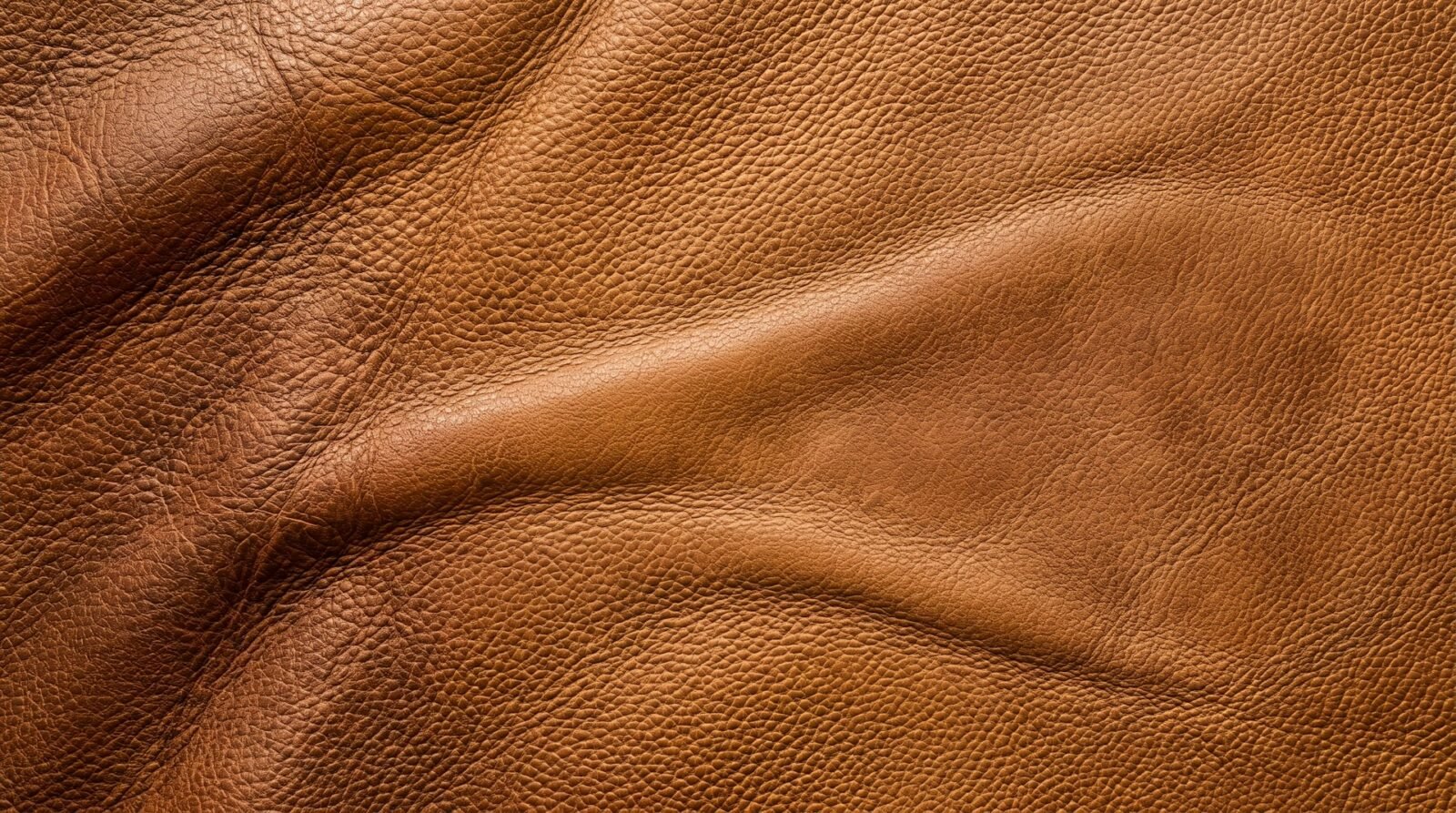
Leather: Touch, Softness, and Human Warmth
Some materials affect the eye first.
Leather affects the body first.
This is why leather remains essential in luxury yacht interior materials. It changes how a room feels emotionally before it changes how the room looks visually. Softness under the hand creates immediate psychological comfort.
But leather is also brutally honest.
Cheap leather fails quickly onboard because the marine environment exposes weakness fast. Excessive heat, humidity, body oils, and sunlight accelerate deterioration. Artificial coatings begin peeling. Surfaces become sticky or plastic-like. Texture disappears.
Good leather does something different.
It develops patina.
And there is an important difference between aging and deterioration.
Poor leather deteriorates.
Good leather evolves.
The best yacht leather interiors become softer, deeper, and visually calmer over time. Stitching remains precise. Texture becomes more natural. Light interacts more gently with the surface.
This is where material quality becomes sensory rather than decorative.
A guest may not understand why a cabin feels expensive.
But they can feel the difference immediately.
Metal: Reflection, Detail, and Restraint
Metal introduces precision into yacht interiors.
Without metal, cabins can sometimes become visually soft or overly organic. Metal creates tension, edge definition, and rhythm between materials. It sharpens transitions and controls detail.
But metal is dangerous when overused.
Too much polished metal creates visual fatigue quickly, especially under direct marine light. Cabins begin feeling closer to luxury hotels or airport lounges than private spaces at sea.
The best yacht metal finishes usually avoid unnecessary shine.
Brushed, satin, darkened, or softened finishes age better because they:
- reduce harsh reflections
- hide fingerprints
- create quieter transitions
- maintain visual depth longer
This is particularly important on yachts, where sunlight constantly moves across surfaces. Highly reflective finishes can become exhausting because the room never visually settles.
Good metalwork should create precision.
Not noise.
And like every other material onboard, metal only works when it belongs to the same emotional language as the room around it.
Why Material Balance Matters More Than Material Cost
This is the mistake many interiors make.
They assume expensive materials automatically create luxury.
They do not.
Some yacht interiors contain extraordinary stone, rare timber, custom leather, and expensive metalwork — yet still feel chaotic because every material is competing simultaneously.
Luxury is not material accumulation.
It is material choreography.
The room must know where visual attention should rest and where it should soften. This is exactly why some cabins feel visually rich but emotionally tiring — the same problem explored in why most interiors feel impressive — but not memorable.
The strongest interiors repeat materials carefully instead of endlessly introducing new ones. They allow wood, stone, leather, and metal to support each other rather than dominate individually.
This is also closely tied to what makes a yacht interior truly luxurious. Luxury rarely comes from one spectacular material choice. It comes from consistency, restraint, proportion, and atmosphere.
The room must feel composed.
Not assembled.
For readers, not audiences.
Yachtluéur letters are released selectively — when observation becomes reference, and reference becomes worth keeping.
Thank you!
You have successfully joined our subscriber list.
The Biggest Mistake in Yacht Interior Materials
The biggest mistake is not being cheap.
It is insecurity.
Interiors begin adding:
- another material
- another contrast
- another feature wall
- another lighting gesture
- another texture
until the cabin loses hierarchy completely.
This is how rooms become trend-driven instead of timeless.
The best yacht interiors trust repetition. They trust breathing space. They trust quiet transitions. This is one reason timeless yacht interior design tends to age more gracefully than highly expressive interiors chasing immediate impact.
A yacht cabin does not need constant stimulation.
It needs stability.
How to Recognize High-Quality Yacht Materials in 60 Seconds
You do not need to know the price of a yacht to evaluate material quality onboard.
Look for:
- veneer alignment at edges and corners
- consistency in wood tone
- softness of reflection instead of mirror-like glare
- precise stitching in leather
- weight and confidence in hardware
- calm transitions between surfaces
- restraint in material count
- balanced light absorption across the room
Cheap interiors often try to announce luxury loudly.
High-quality interiors usually feel quieter.
That is the difference.
Closing
The best yacht interior materials do not constantly ask for attention.
They shape the atmosphere quietly.
Wood absorbs tension.
Stone creates permanence.
Leather softens space.
Metal defines precision.
And when they are balanced correctly, the room stops feeling decorated.
It starts feeling inevitable.
Beyond Materials
The finest yacht interiors are not defined by wood, stone, leather, or metal alone.
What ultimately shapes luxury is how those elements work together through light, movement, sound, and restraint. Read: What Makes a Yacht Interior Truly Luxurious.
read next
Yacht Interior Design Mistakes: The Hidden Signs of a Trend-Driven Interior
Why Some Yacht Interiors Age Better Than Others